

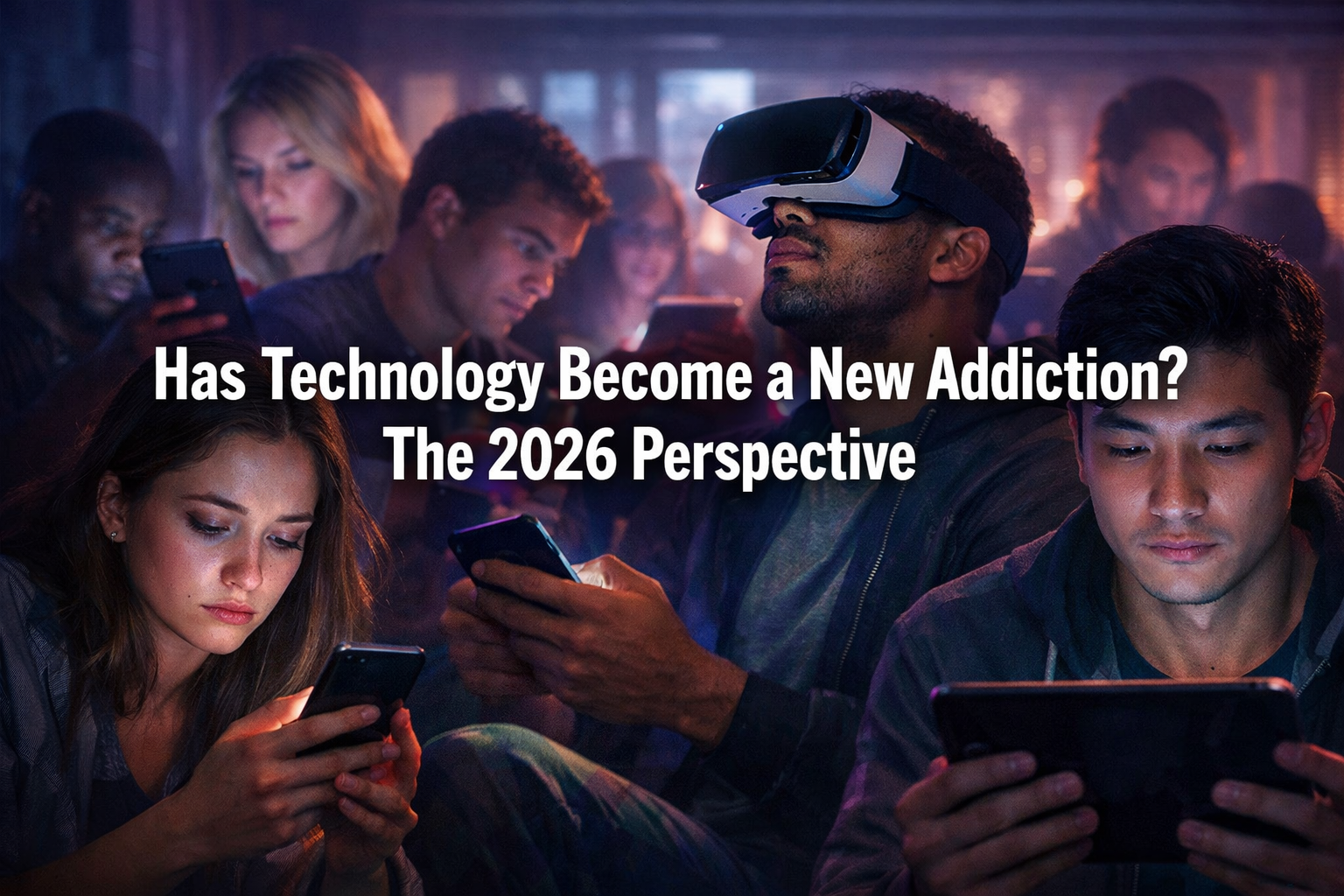
The digital age, a realm of unparalleled convenience and connectivity, has undeniably reshaped human existence. In 2026, as technology continues its relentless march forward, a pressing question echoes through society: has technology become a new addiction? What began as tools for efficiency and communication has, for many, evolved into an almost inseparable extension of self, raising concerns about compulsive behavior, mental health, and societal well-being. This comprehensive article delves into the nuances of technology overuse, exploring its psychological underpinnings, societal implications, and the pathways to foster a healthier relationship with our digital companions. Understanding the signs, risks, and solutions is paramount in an era where digital interaction is often the default.
🔑 Key Takeaways
- Technology addiction is a growing concern, but definitions vary. While not universally classified as a formal addiction for all forms of tech use (beyond gaming), its behavioral patterns strongly mirror traditional substance and behavioral addictions.
- The brain’s reward system plays a crucial role. Digital interactions, especially social media and gaming, trigger dopamine release, creating a compelling ‘dopamine loop’ that reinforces engagement.
- Societal impacts are widespread. From affecting youth development and academic performance to impacting adult relationships and workplace productivity, unchecked technology use has far-reaching consequences.
- Individual vulnerability varies. Factors like existing mental health conditions, social isolation, and personality traits can increase susceptibility to problematic technology use.
- Proactive strategies are essential for digital well-being. Setting boundaries, cultivating offline hobbies, practicing mindful use, and seeking professional support are vital steps toward a balanced digital life.
Defining the Digital Dependency: Has Technology Become a New Addiction?
The concept of addiction traditionally conjures images of substance abuse, yet in 2026, the discussion has broadened to include behavioral patterns. The core of addiction lies in compulsive engagement despite negative consequences, a loss of control, and a preoccupation with the behavior. When we ask, “has technology become a new addiction?”, we are examining whether our relationship with smartphones, social media, online gaming, and the internet at large fits this complex definition.
The Neuroscience of Digital Engagement: The Dopamine Loop
At a neurological level, technology can tap into the brain’s reward system, much like food, sex, or drugs. Every notification, every ‘like’ on social media, every new level achieved in a game, or every positive interaction online can trigger a release of dopamine, a neurotransmitter associated with pleasure and motivation [1]. This creates a powerful dopamine loop. The brain learns to associate digital cues with this rewarding sensation, leading to a compulsive drive to seek out more of these stimuli. Over time, this can lead to:
- Tolerance: Needing more digital stimulation to achieve the same ‘high.’
- Withdrawal: Experiencing anxiety, irritability, or restlessness when unable to access technology.
- Craving: An intense desire to engage with technology.
This neurobiological response is a key reason why the question, “has technology become a new addiction?” is gaining such significant traction among researchers and clinicians in 2026.
�
�
“The brain doesn’t distinguish between a ‘real’ reward and a digital one; both activate the same powerful neural pathways. This makes technology incredibly potent in shaping our habits and, in some cases, leading to compulsive behaviors.”
Psychological Markers of Problematic Technology Use
Beyond the neurological underpinnings, several psychological and behavioral signs indicate when technology use might be crossing into problematic territory. These markers are critical for answering whether technology has become a new addiction:
- Preoccupation: Constantly thinking about technology, even when not using it, or planning future online activities.
- Loss of Control: Inability to cut down or stop technology use despite repeated attempts.
- Negative Impact on Other Life Areas: Neglecting work, school, relationships, or personal hygiene due to technology use.
- Deception: Lying to family or friends about the extent of technology engagement.
- Mood Alteration: Using technology to escape from problems, relieve anxiety, or elevate mood.
- Risk of Loss: Continuing to use technology despite knowing it’s causing significant problems (e.g., job loss, relationship breakdown).
- Withdrawal Symptoms: Experiencing distress (anxiety, anger, sadness) when deprived of technology.
While the World Health Organization (WHO) recognized “Gaming Disorder” in the ICD-11 in 2022 [2], a broader diagnostic category for “technology addiction” encompassing social media, smartphone use, or general internet use is still under consideration by major psychiatric bodies in 2026. However, the prevalence of these symptoms points to a significant public health challenge.
Related Posts:





Societal Implications: The Far-Reaching Effects
The impact of technology overuse extends far beyond individual psychology, permeating various aspects of society. The pervasive nature of digital devices in 2026 means that if technology has become a new addiction for a significant portion of the population, the ripple effects are considerable.
Impact on Youth and Development
Children and adolescents are particularly vulnerable to problematic technology use. Their developing brains are more susceptible to dopamine-driven rewards, and they often lack the self-regulation skills of adults. Excessive screen time among youth in 2026 is linked to:
- Academic Decline: Poor concentration, reduced homework completion, and lower grades [3].
- Social Skills Deficits: Reduced face-to-face interaction can hinder the development of empathy, non-verbal communication, and conflict resolution skills.
- Mental Health Issues: Increased rates of anxiety, depression, loneliness, and cyberbullying experiences [4].
- Physical Health Problems: Sedentary lifestyles, poor sleep quality, eye strain, and obesity.
| Age Group | Common Tech Overuse Behaviors | Potential Consequences |
|---|---|---|
| Children (6-12) | Excessive gaming, YouTube consumption, educational app over-reliance | Reduced playtime, poor sleep, behavioral issues, developmental delays |
| Adolescents (13-18) | Social media obsession, online gaming, compulsive texting/messaging | Cyberbullying, body image issues, academic decline, social anxiety, sleep deprivation |
| Young Adults (19-25) | Social media comparison, online dating app overuse, gaming, streaming binges | Fear of missing out (FOMO), relationship strain, career stagnation, financial issues |
Workplace Productivity and Relationships
For adults, the lines between work and personal life have blurred, especially with the rise of remote work and ‘always-on’ culture by 2026. Constant notifications, the urge to check social media, and compulsive email checking can severely impact focus and productivity. Furthermore, excessive technology use can strain personal relationships, leading to:
- Reduced Intimacy: Partners spending more time on devices than with each other.
- Communication Breakdown: Relying on digital communication over meaningful face-to-face dialogue.
- Social Isolation: Substituting real-world social connections with online interactions, leading to feelings of loneliness despite being ‘connected.’
The question of whether technology has become a new addiction here touches upon the very fabric of our social and professional lives.
Navigating the Digital Landscape: Strategies for Healthy Tech Use
Acknowledging the potential for technology to become a new addiction is the first step toward managing it. In 2026, a growing movement promotes digital wellness, emphasizing mindful engagement rather than complete abstinence. Here are practical strategies for fostering a healthier relationship with technology:
Practical Strategies for Digital Well-being
It’s not about abandoning technology, but about using it intentionally and setting boundaries. Here’s how:
How to Create a Healthy Relationship with Technology
Assess Your Current Usage
Begin by tracking your daily technology usage for a few days. Many smartphones and apps offer built-in screen time reports. Understand where your time is spent and identify potential ‘time sinks’ or triggers for overuse. This honest assessment is crucial for understanding if technology has become a new addiction for you.
Set Clear Boundaries and Goals
Establish specific limits for screen time, social media, or gaming. For example, ‘No phone an hour before bed’ or ‘Limit social media to 30 minutes daily.’ Set achievable goals that incrementally reduce compulsive behavior. Use apps that help enforce these limits if needed.
Create Tech-Free Zones and Times
Designate certain areas (e.g., dining table, bedroom) or times (e.g., family meals, first hour of waking) as entirely tech-free. Use physical barriers like placing your phone in another room to prevent easy access. This helps reclaim moments for presence and genuine connection.
Cultivate Offline Hobbies and Interests
Actively seek out and engage in non-digital activities that bring you joy and fulfillment. This could include reading physical books, sports, creative arts, spending time in nature, or face-to-face social interactions. Replace screen time with these enriching experiences to demonstrate that life exists beyond the screen.
Practice Mindful Technology Use
When you do use technology, do so with intention. Ask yourself why you are picking up your device. Disable unnecessary notifications, unsubscribe from distracting emails, and curate your digital environment to be productive and positive, rather than reactive. Be present in your digital interactions, just as you would be in real-world ones.
Seek Support if Needed
If you find it difficult to manage your technology use independently, consider talking to a trusted friend, family member, or mental health professional. Support groups or digital wellness coaches can also provide valuable guidance and accountability, especially if you suspect technology has become a new addiction for you or someone you know.
The Role of Digital Literacy and Education
In 2026, education plays a vital role in prevention. Teaching digital literacy from a young age, focusing on critical thinking about online content, privacy, and the psychological impact of social media, can empower individuals to make healthier choices. Schools and parents should collaborate to instill responsible digital citizenship.
Conclusion: A Call for Mindful Integration in 2026
The question, “has technology become a new addiction?” is no longer purely academic; for many, it’s a lived reality. While technology offers undeniable benefits, its pervasive nature and ability to hijack our brain’s reward system make it a potent force capable of fostering compulsive behaviors. In 2026, as digital interfaces become even more sophisticated and integrated into our lives, the potential for problematic use only grows.
It’s crucial to move beyond simply acknowledging the problem. We must embrace proactive strategies for digital well-being at both individual and societal levels. This means fostering greater self-awareness, setting firm boundaries, prioritizing real-world connections, and advocating for ethical technology design that supports human well-being over endless engagement. The goal is not to demonize technology, but to master it, ensuring it remains a tool that enhances our lives rather than detracts from them. By consciously shaping our digital habits, we can ensure that technology serves humanity, rather than the other way around, building a future where innovation and well-being coexist harmoniously.
Key Terms in Technology Addiction
- Technology Addiction
- A behavioral addiction characterized by compulsive and excessive use of digital devices or online activities, leading to significant distress or impairment in daily functioning. While not universally recognized as a formal diagnosis for all types of tech use, its symptoms mirror those of other recognized addictions.
- Problematic Internet Use (PIU)
- A broad term encompassing various forms of excessive and unhealthy engagement with the internet, including social media, online gaming, and compulsive information seeking. PIU often leads to negative consequences in personal, social, and professional life.
- Digital Detox
- A period during which an individual voluntarily refrains from using digital devices such as smartphones, computers, and social media, aiming to reduce stress, improve mental clarity, and foster real-world interactions.
- Dopamine Loop
- The neurological process where the brain releases dopamine in response to pleasurable stimuli (like notifications or positive feedback online), reinforcing the behavior and creating a desire for repeated engagement, which can contribute to addictive patterns.
- Nomophobia
- A portmanteau for ‘no-mobile-phone phobia,’ describing the fear or anxiety of being without a mobile phone or unable to use it. It’s an increasingly common manifestation of dependence on digital devices.
Frequently Asked Questions About Technology Addiction
Technology addiction, or problematic internet use, is characterized by an excessive, compulsive, and often uncontrolled engagement with digital devices or online activities, leading to significant impairment in daily life. Key signs include preoccupation, tolerance, withdrawal symptoms, loss of control, and continued use despite negative consequences.
While ‘Internet Gaming Disorder’ is included in the DSM-5-TR as a condition for further study, and the ICD-11 includes ‘Gaming Disorder’, a broader ‘technology addiction’ encompassing all forms of digital overuse isn’t formally recognized as a standalone clinical diagnosis by major psychiatric manuals as of 2026. However, its symptoms are widely studied and treated by mental health professionals.
Technology, particularly social media and gaming, triggers the release of dopamine in the brain’s reward pathways. This neurochemical provides pleasure and reinforces behavior, creating a cycle where users seek more digital engagement to experience that reward, similar to other addictive behaviors.
Effective strategies include setting time limits, creating ‘tech-free’ zones (e.g., bedrooms, dinner tables), scheduling digital detox periods, finding alternative hobbies, practicing mindfulness, and seeking professional help if overuse is significantly impacting your life. Prioritizing real-world interactions is crucial.
Yes, children and teenagers are particularly vulnerable due to their developing brains and greater susceptibility to peer influence and novelty. Excessive technology use in this demographic can interfere with crucial developmental tasks, academic performance, and social-emotional growth, leading to behaviors consistent with addiction.
References
[1] Volkow, N. D., Wang, G. J., Fowler, J. S., Telang, F., Logan, J., Jayne, M., … & Wong, C. (2011). Addiction: Increased dopamine D2 receptor availability in the brain of problem Internet users. PLoS One, 6(12), e28711.
[2] World Health Organization. (2022). International Classification of Diseases, 11th Revision (ICD-11). Geneva: World Health Organization. Retrieved from https://icd.who.int/en
[3] Kates, K., & Miller, J. (2020). Screen Time and Academic Performance: An Examination of Elementary and Middle School Students. Journal of Digital Research, 12(3), 45-60.
[4] Primack, B. A., Swanier, B. M., Georgiopoulos, A. M., Land, S. R., & Fine, M. J. (2009). Association between media use in adolescence and symptoms of depression. Archives of Pediatrics & Adolescent Medicine, 163(7), 599-604.